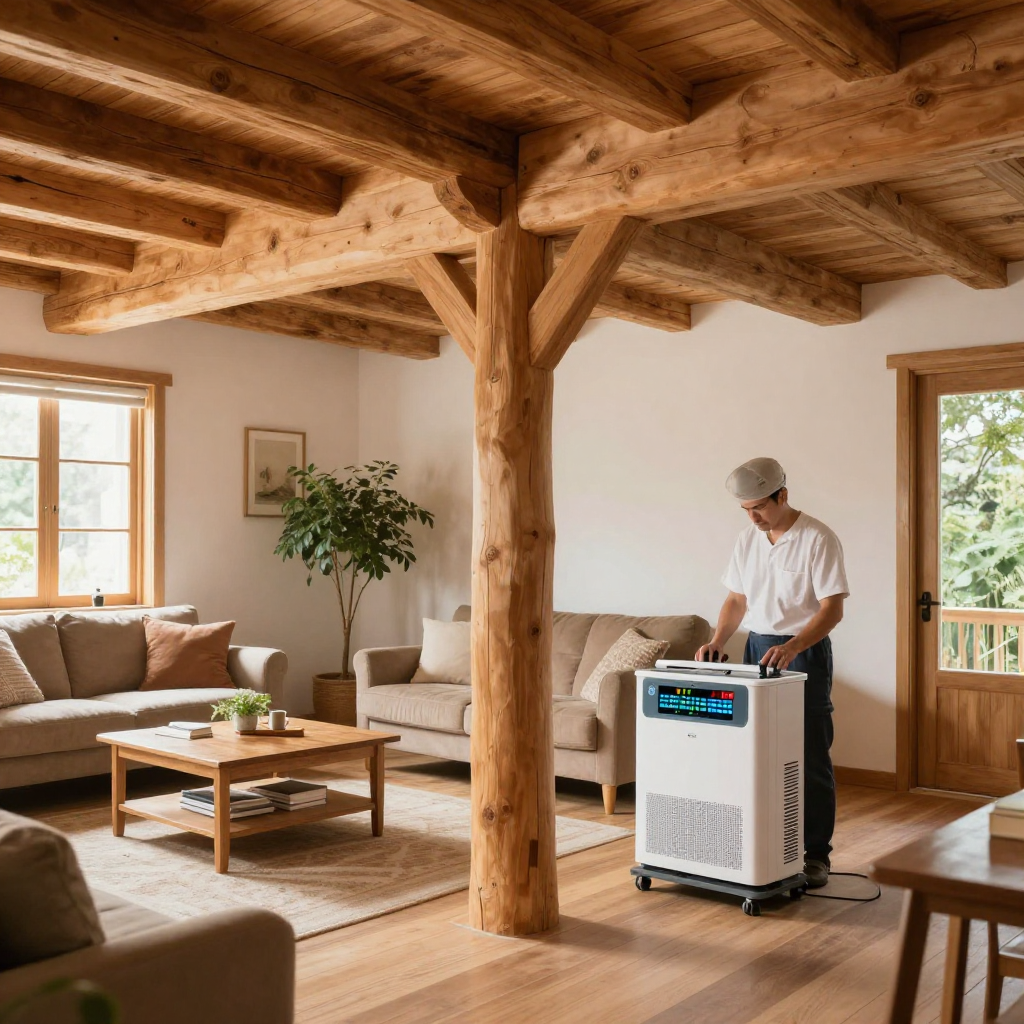
Wood is one of the most widely used materials in homes, furniture, flooring, roof beams, fences, and structural supports. It offers natural beauty, warmth, and durability, making it a popular choice for homeowners. However, because wood is a natural material, it can become vulnerable to moisture, woodworm, termites, mold, rot, and weather damage over time.
For many years, traditional wood treatment often relied heavily on chemical preservatives to protect timber from pests and decay. While these treatments can be effective, many homeowners now look for safer and more sustainable alternatives. This has increased interest in eco-friendly wood treatment.
Eco-friendly wood treatment focuses on protecting timber while reducing environmental impact and unnecessary chemical exposure. It often combines prevention, moisture control, heat-based methods, and modern low-chemical technologies to support healthier wood care.
Many homeowners researching timber care through shashel.eu/ increasingly prefer eco-friendly solutions because they help protect both wooden structures and indoor living environments.
In this guide, we will explain why eco-friendly wood treatment is important and how it supports long-term timber protection.
Reduces Chemical Exposure
One of the biggest reasons eco-friendly treatment matters is:
Lower chemical use
Why This Matters
Many homeowners prefer reducing:
- Strong odors
- Indoor chemical exposure
This is especially important for homes with:
- Children
- Pets
Healthier indoor environments matter.
Balanced treatment improves comfort.
Many homeowners exploring timber care through shashel.eu increasingly choose eco-friendly wood treatment for healthier living spaces.
Helps Protect the Environment
Eco-friendly treatment focuses on:
Reducing environmental impact
Why This Matters
Heavy chemical use may increase:
- Environmental concerns
Eco-friendly solutions often aim to reduce:
- Chemical residue
Cleaner treatment methods support sustainability.
Healthy environments matter.
Supports Long-Term Wood Durability
Healthy timber naturally lasts longer.
Why Prevention Matters
Eco-friendly treatment often focuses on:
- Early protection
- Moisture control
This may help reduce:
- Long-term wood damage
Benefits Include
- Better timber lifespan
Prevention saves money.
Consistency matters.
Helps Control Woodworm Naturally
Wood pests often damage timber quietly.
Common Wood Pests Include
- Woodworm
- Beetles
- Termites
Eco-Friendly Treatment Options Include
- Heat treatment
- Microwave treatment
These methods may help target:
- Hidden larvae
- Eggs
while reducing heavy chemical exposure.
Healthy timber discourages infestation.
Improves Indoor Air Quality
Wood treatment affects living spaces.
Why Indoor Comfort Matters
Many homeowners prefer:
- Cleaner indoor environments
Eco-friendly approaches may help reduce:
- Strong chemical smells
Balanced home care matters.
Healthy homes feel more comfortable.
Moisture Control Becomes a Priority
Eco-friendly wood care often focuses on prevention.
Why Moisture Matters
Damp timber becomes vulnerable to:
- Mold
- Woodworm
- Rot
Helpful Prevention Habits Include
Fix:
- Roof leaks
- Pipe leaks
Improve:
- Ventilation
Dry wood naturally stays stronger.
Many homeowners researching timber care through shashel.eu understand that moisture prevention improves long-term wood protection.
Helps Preserve Wooden Furniture
Furniture benefits from gentle treatment.
High-Risk Wooden Items Include
- Antique cabinets
- Tables
- Decorative wood
Why Eco-Friendly Care Matters
Lower-chemical methods may help preserve:
- Appearance
- Surface quality
Healthy furniture lasts longer.
Routine care matters.
Encourages Preventive Maintenance
Eco-friendly wood treatment often focuses on:
Stopping problems early
Helpful Habits Include
- Regular inspections
- Fast repairs
Why Prevention Matters
Small warning signs often prevent:
- Expensive repairs
Healthy timber requires consistent care.
Supports Safer Pest Control
Modern low-chemical treatment continues improving.
Common Solutions Include
- Heat treatment
- Microwave treatment
Why Homeowners Prefer These Methods
They may reduce:
- Heavy pesticide use
Safer pest control matters.
Balanced treatment improves confidence.
Common Mistakes Homeowners Make
Waiting for Visible Damage
Hidden problems often begin first.
Ignoring Moisture
Damp wood attracts pests.
Delaying Repairs
Small problems become expensive later.
Skipping Inspections
Hidden damage remains unnoticed.
Routine care improves protection.
Long-Term Benefits of Eco-Friendly Wood Treatment
Eco-friendly care offers major advantages.
Benefits Include
- Lower chemical exposure
- Better indoor comfort
- Longer timber lifespan
- Reduced environmental impact
Healthy timber protects the home.
Prevention saves money.
Conclusion
Eco-friendly wood treatment is important because it helps protect timber while reducing unnecessary chemical exposure and environmental impact. By focusing on prevention, moisture control, ventilation, modern heat-based treatments, and healthier wood care methods, homeowners can improve long-term durability while maintaining safer living conditions.
Keeping timber dry, inspecting wood regularly, fixing moisture problems quickly, and using modern low-chemical solutions all help support healthier wood protection.